.svg)
.svg)
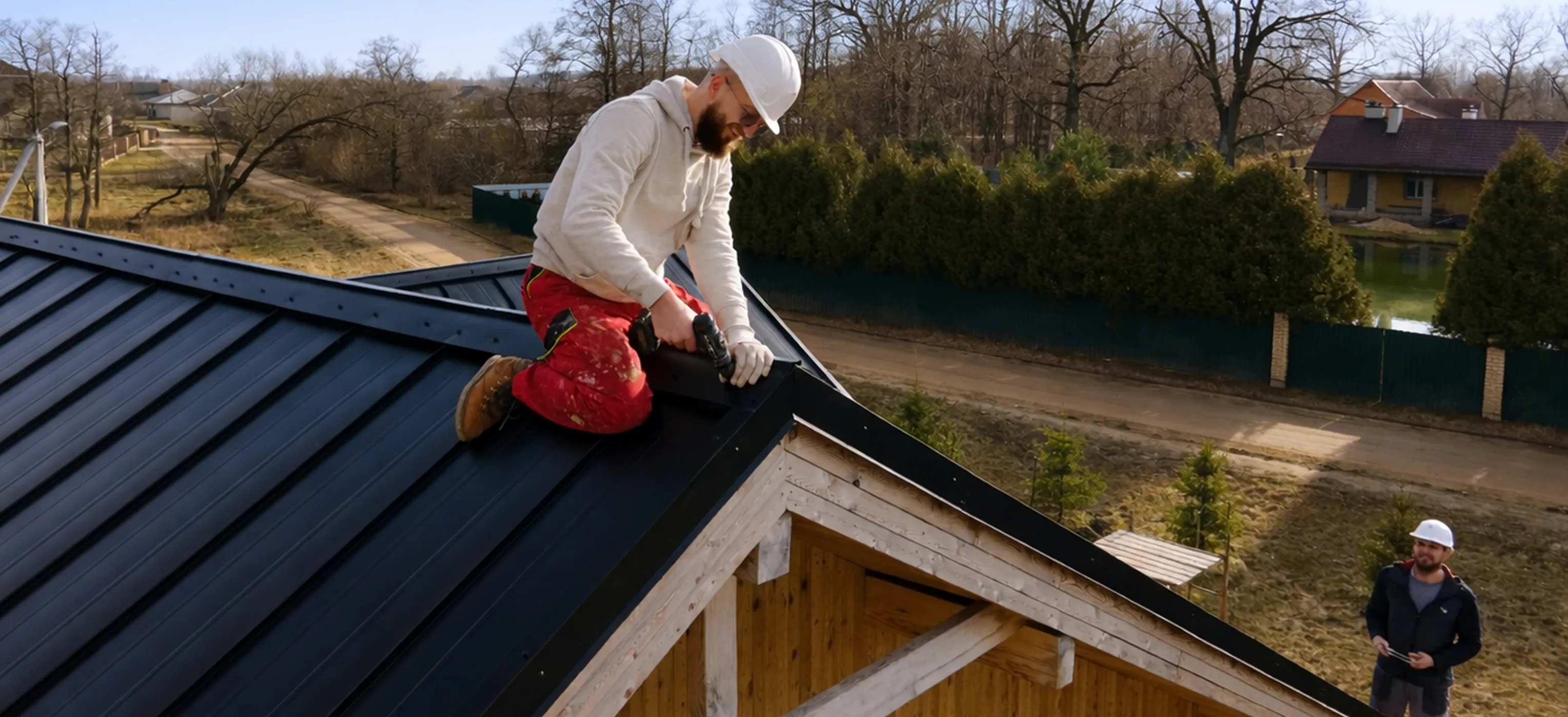

Replacing a roof is one of the most significant home improvement investments a home owner can make. While the cost may vary depending on several factors, understanding the basics of roof replacement pricing helps home owners plan their budget more effectively. A new roof not only improves the appearance of your home but also protects the structure from water damage, weather exposure, and long-term deterioration. Planning ahead ensures the project is completed without unexpected financial stress.
Home owners should also consider additional components such as underlayment, flashing, ventilation systems, and gutter adjustments when estimating the total project cost. These supporting elements play an important role in ensuring the durability and performance of the new roof.
Proper budget planning requires evaluating both immediate costs and long-term value. While choosing lower-cost materials may reduce initial expenses, investing in higher-quality roofing systems can provide better durability and lower maintenance costs over time. Climate conditions, building codes, and energy efficiency upgrades may also affect the final budget. Professional roof inspections are helpful when planning a replacement project. Roofing experts can assess structural conditions, identify hidden damage, and provide accurate cost estimates based on your specific roof design. Understanding these factors allows homeowners to prepare financially and avoid unexpected repair expenses during the installation process.
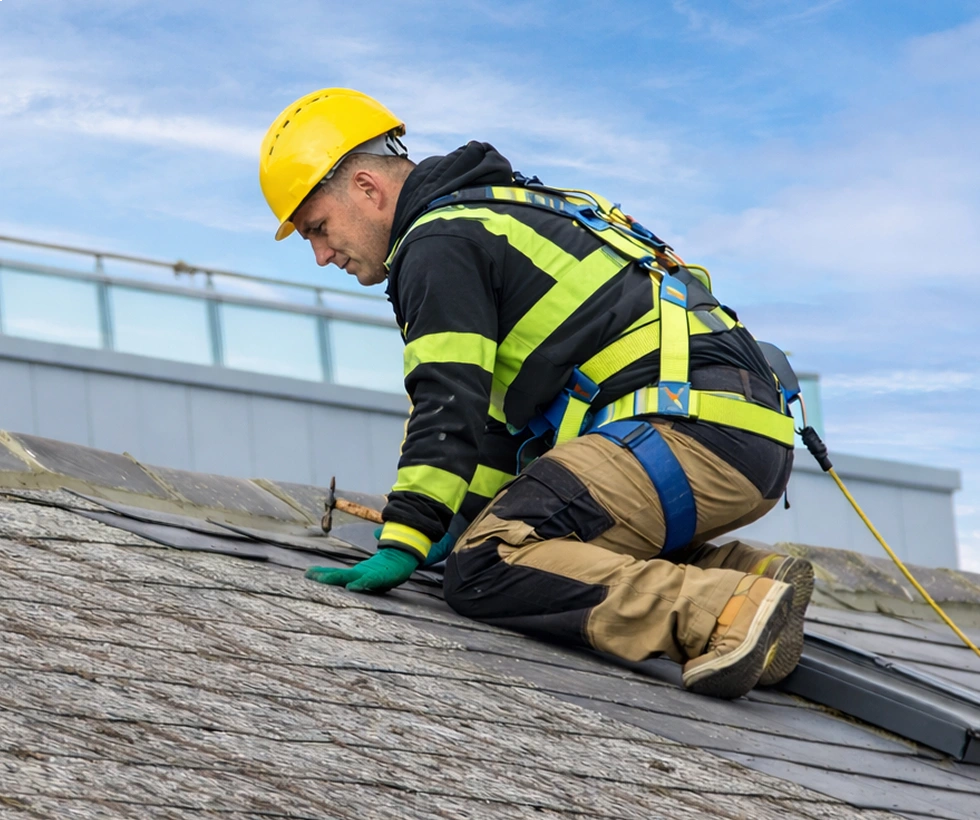

A well-planned roofing budget ensures homeowners receive the best value while protecting their property for many years. Professional guidance and proper planning make the entire process smoother and more efficient.

.svg)

.svg)

.svg)

.svg)
.svg)