.svg)
.svg)
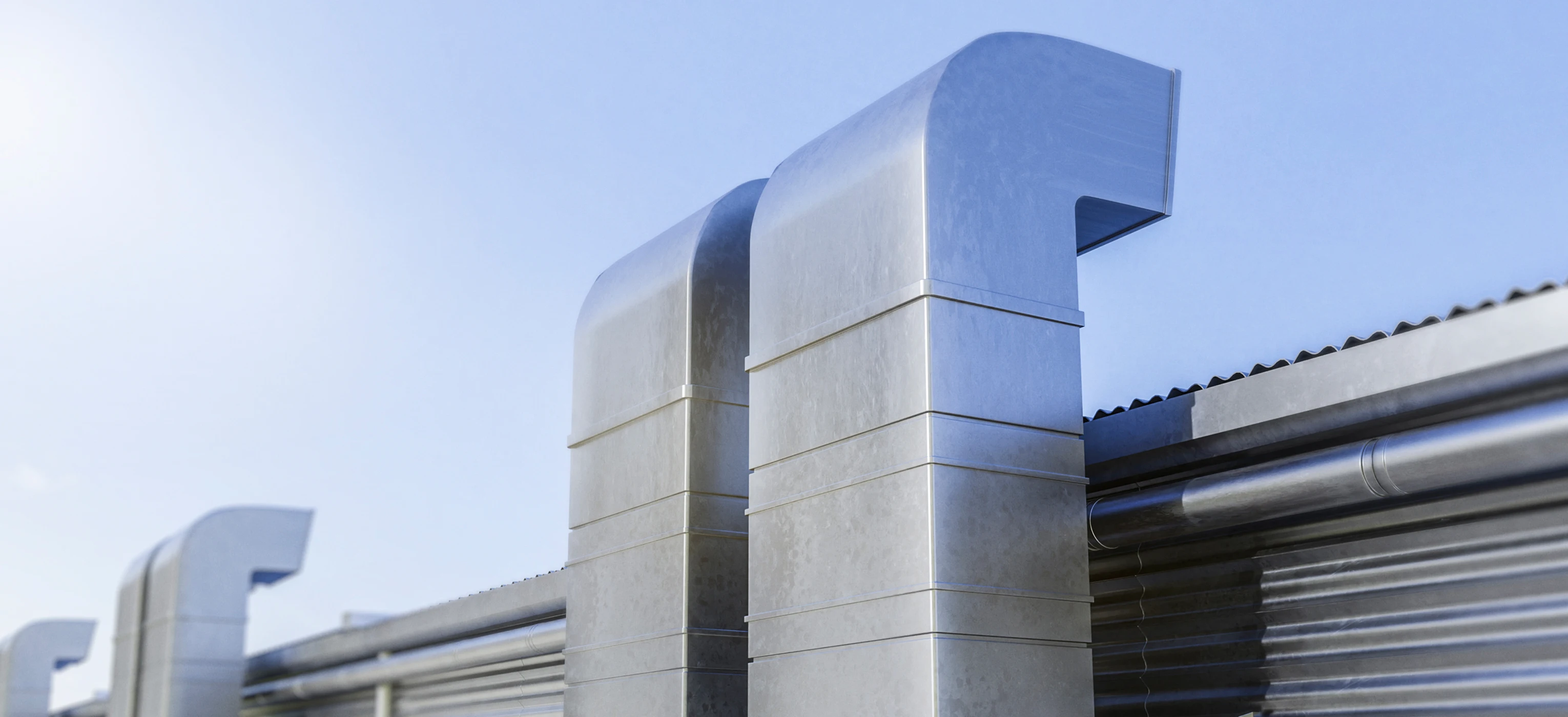

Roof ventilation plays a vital role in maintaining the overall health and durability of your home. A properly ventilated roof allows fresh air to circulate through the attic while pushing out excess heat and moisture. Without adequate ventilation, warm and humid air can become trapped inside the attic space, leading to moisture buildup that gradually damages roofing materials, insulation, and wooden structures. Over time, this trapped moisture may cause mold growth, wood rot, and costly structural repairs.
Regular inspection of vents and attic airflow can help homeowners identify potential problems early. Blocked vents, damaged vent covers, or poor attic insulation can restrict airflow and reduce ventilation efficiency. Keeping these systems clear and functional ensures your roof performs effectively throughout the year.
When roof ventilation is inadequate, moisture can accumulate inside the attic and slowly damage the home’s internal structure. Condensation forming on wooden beams and roof decking can weaken the structure and encourage mold growth. Excess humidity can also damage insulation, reducing its ability to regulate indoor temperatures effectively.
In warmer climates, poor ventilation can trap hot air inside the attic, increasing the temperature of the roof surface and forcing cooling systems to work harder. This can lead to higher energy bills and faster deterioration of roofing materials. Identifying these issues early helps homeowners protect both their roof and their indoor environment.
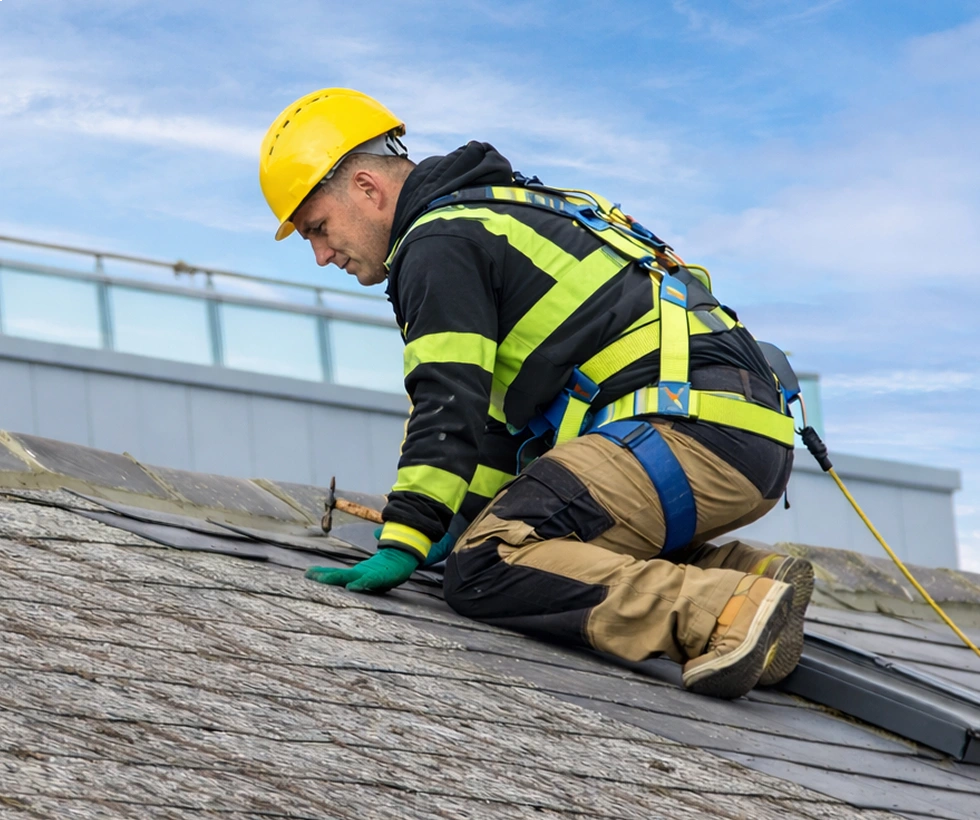
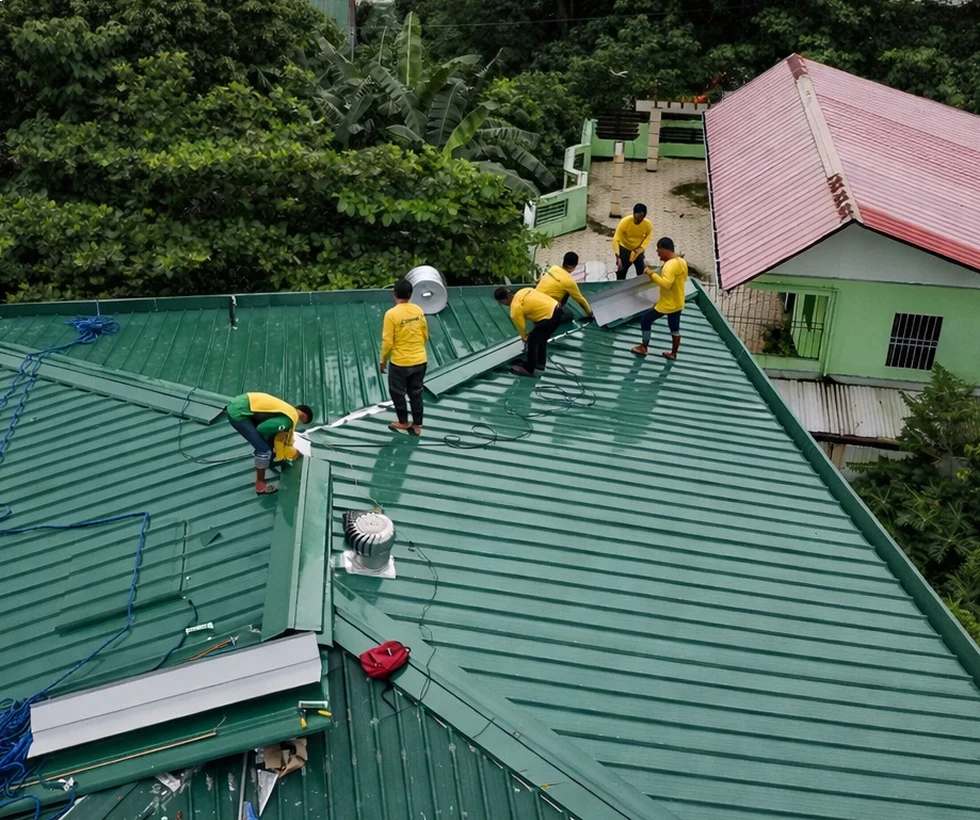
Maintaining a well-balanced ventilation system protects the roof structure and improves the comfort and efficiency of the entire home. Proper airflow helps prevent moisture buildup and extends the life of roofing materials.

.svg)

.svg)

.svg)

.svg)
.svg)